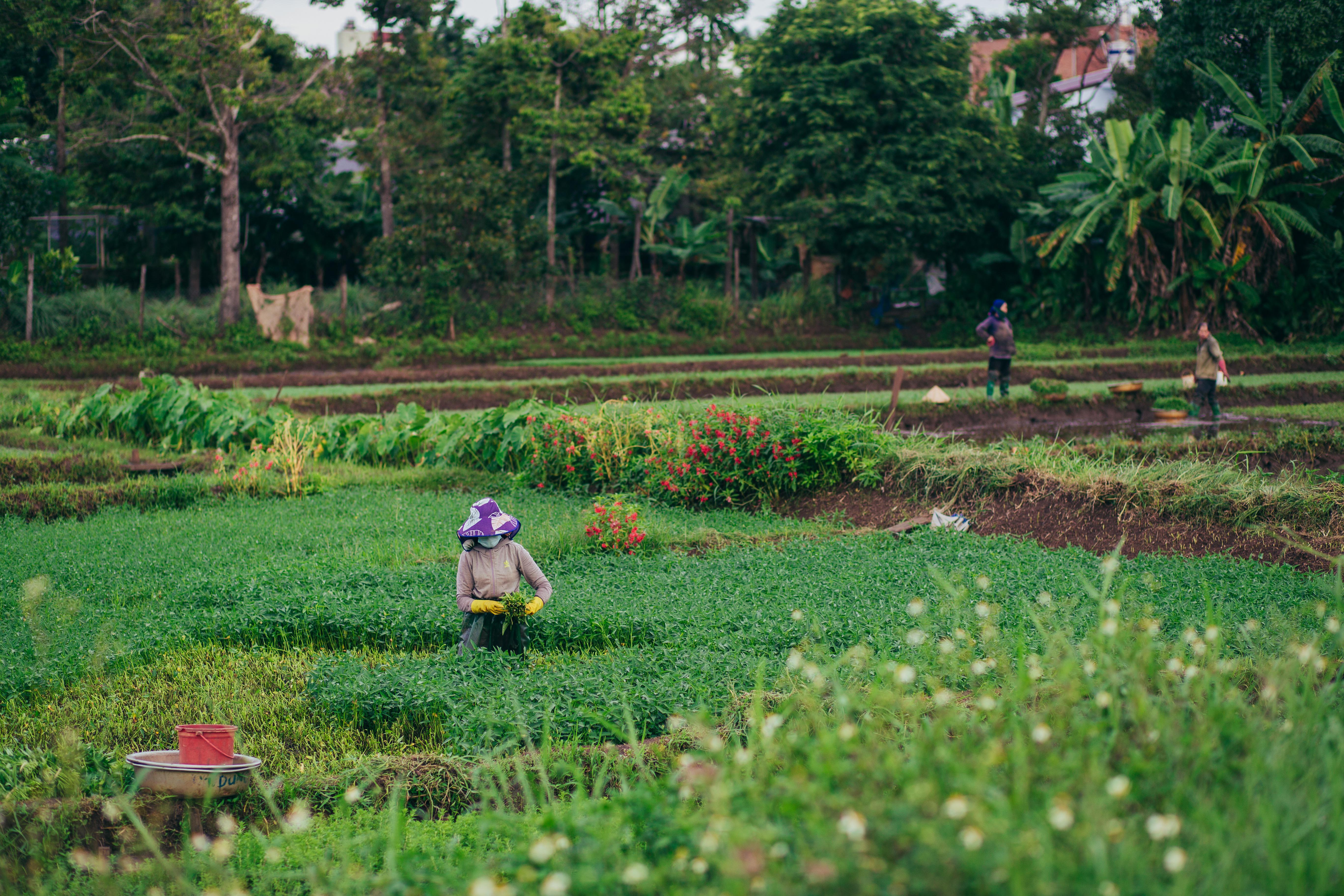
For a long time, urban development has been shaped by a deeply rooted logic, i.e., resources tend to concentrate in central cities, populations migrate toward industrial hubs, and capital flows into regions with higher returns. As a result, remote areas often face a difficult situation. Without large industries, strong financial institutions, or sustained population growth, these areas cannot easily replicate conventional models of urban renewal. Many localities have attempted to attract residents by developing commercial complexes, creating imitation urban districts, or replicating the infrastructure of major cities. However, these efforts often require substantial investment while facing operational challenges and leaving large areas of space underutilized. The underlying issue is that remote areas are inherently disadvantaged when competing directly with major cities.
However, new research from think tanks is challenging this perception, suggesting that the greatest advantage of remote areas lies precisely in their being unlike big cities.
Looking at successful cases of rural revitalization and small-town renewal around the world, the truly sustainable development path for remote areas is not to transform themselves into “mini-Shanghais” or “mini-Tokyos”, but to identify and strengthen the unique value that cannot be replicated elsewhere. Their natural environment, history and culture, slower pace of life, and local traditions can all be transformed into new economic resources. ANBOUND’s founder Kung Chan points out that although remote areas are far from major resource centers, they can offer their very own unique lifestyle. They may lack industrial resources, financial resources, and the consumer markets of big cities, but they might possess breathtaking landscapes, a slower pace of life, and a way of living that is fundamentally different from that of major cities. These qualities can themselves become products that are packaged, developed, and brought to market. This distinctiveness is one of the most valuable assets remote areas possess.
The One Euro Home initiative in southern Italy is a classic example of this approach. Beginning in 2009, several small Italian towns began selling long-abandoned and uninhabited houses at symbolic prices, with the aim of attracting people from outside the area to renovate the properties and help restore community vitality. Many of these houses were in poor condition, and buyers were responsible for the renovation costs. This meant that what ultimately attracted them was not the low purchase price, but the lifestyle associated with the properties. Buyers were not simply purchasing an inexpensive house; instead, they were investing in the enjoyment of Sicily's sunshine, the Mediterranean environment, traditional villages, local food culture, and a way of life far removed from the pressures of modern urban living. Research shows that the One Euro Home model was later adopted by multiple Italian towns, with objectives extending beyond real estate revitalization to include population return, tourism development, and community revival.
Gangi in Sicily can serve as an example in this regard. This mountain town had long struggled with population decline, leaving a large number of traditional homes vacant. Instead of developing large industrial parks, the local government leveraged its historic architectural resources, transforming abandoned houses into cultural assets and attracting new residents and tourists through low-cost property transfers. A similar model later spread to towns such as Mussomeli, where some communities found ways to economically revitalize deteriorating historic districts by attracting overseas residents, remote workers, and tourists.
Such examples can offer crucial lessons for remote areas in China. The many mountain regions, villages, and small towns across the country are not necessarily lacking in resources. Rather, they may have lacked a broader understanding of what may be considered a resource. Traditional economic evaluation systems tend to define resources in terms of mineral deposits, industrial foundations, transportation advantages, and population size. However, in an era of rising consumer demand and digitalization, the natural environment, local culture, and quality of life can themselves become valuable resources. In the past, remote areas were disadvantaged by their distance from major cities. In the future, that very distance may become an advantage, turning these areas into new spaces of value sought after by urban residents.
Japan’s experience with rural revitalization reflects a similar logic. The country has long faced population aging and regional decline, yet some regions have chosen not to rely solely on industrialization, but on what can be described as a “rural experience economy”. For example, towns and villages in Oita Prefecture attract urban residents through agricultural experiences, nature-based tourism, and the presentation of local culture, transforming rural areas from spaces primarily focused on production into destinations for leisure and immersive experiences. Research suggests that under population decline, some rural areas in Japan are exploring new development models centered on nature tourism, green tourism, and agritourism.
Another aspect of Japan’s experience that deserves attention in China is its branding of slow living. Urban residents are increasingly willing to pay for tranquility, safety, nature, and healthier lifestyles. In the past, rural areas were often perceived as backward, but the rise of remote work, the digital economy, and changing lifestyles have led to a redefinition of their value. By preserving traditional architecture, developing local industries, and fostering community culture, some Japanese local governments have transformed villages into attractive options for urban residents seeking short-term getaways, longer-term stays, or even opportunities to start businesses.
Similar trends have emerged in other parts of Europe. Regions that are losing populations in countries such as France, Spain, and Portugal have not sought to replicate urban models such as Paris or Madrid. Rather, they have adopted the strategy of attracting new residents through historic town preservation, rural tourism, and cultural and creative industries. In recent years, some European localities have even introduced rural relocation programs aimed at remote workers, seeking to attract new populations like digital nomads by leveraging affordable housing, natural environments, and strong community atmospheres. These international experiences demonstrate that the revitalization of remote areas first requires a shift in perception. Renewal does not necessarily mean demolition and new construction. Many places equate urban renewal with widening roads, renovating buildings, and adding commercial facilities. For remote areas, however, the most important form of renewal is not the transformation of physical space, but the transformation of the underlying value system.
If a mountain town invests heavily in building a glittering commercial street or replicating an urban shopping mall, it immediately finds itself competing with cities across the country, without any meaningful competitive advantage. However, if it preserves its historic villages, natural landscapes, traditional cuisine, and local handicrafts, and then turns these distinctive features into a recognizable brand through digital marketing, the nature of the competition changes. It is no longer competing over “who has more shopping malls”, but over “who can offer a more unique lifestyle experience”.
Therefore, amid the future wave of urban renewal, China's remote areas should place greater emphasis on the "lifestyle industry".
The first direction is the development of an ecological living industry. As living costs in major cities continue to rise and work pressures intensify, more urban residents are seeking second homes, spaces for elderly care, and places for short-term stays. Remote areas can leverage their low-density land, natural environments, and lower living costs to develop long-term residential communities tailored to urban populations. For example, vacant rural houses can be converted into rural apartments, wellness residences, and artist studios, rather than the land simply being used for conventional real estate development.
Another option is the development of a cultural experience industry. China has a vast number of traditional villages with significant historical and cultural value, yet many places focus primarily on renovating buildings without creating meaningful consumer experiences. Effective renewal should integrate architecture, cuisine, festivals, handicrafts, and local stories into a cohesive experience. A mountain village, for instance, could become a destination for traditional tea culture; a coastal town could develop experiences centered on fishing and maritime life; and an ethnic minority area could create spaces for visitors to experience its distinctive cultural traditions. The key is not simply to display culture, but to transform culture into a source of sustainable consumer value.
The third direction is the development of remote work and the digital nomad economy. In the past, people generally had to live close to employment centers, but technological advances are making it possible for certain types of work to become less dependent on location. Some localities in Europe and Japan have begun attracting remote workers, and remote areas in China could similarly explore the development of affordable, high-quality work communities. Stable internet connectivity, shared workspaces, and attractive natural environments could help draw younger populations. For some small cities that lack traditional industries, attracting a community of digital professionals to live and work locally may be more compatible with their existing conditions than investing in inefficient industrial parks.
The final alternative is to pursue the path of “small but refined” specialty industries rather than pursuing “large and comprehensive” development. Remote areas are generally not well suited to replicating the industrial models of coastal regions, but they can develop specialized agriculture, boutique manufacturing, cultural and creative industries, and tourism services that build on local strengths. French wine regions, Italian specialty food towns, and Japanese local agricultural brands, for example, do not compete primarily through scale. Instead, they create market premiums by emphasizing uniqueness and distinctive local value.
Emphasizing the value of lifestyle certainly does not mean neglecting infrastructure development. On the contrary, behind every successful case is sustained government investment in essential infrastructure. Experiences from rural renewal in Italy also demonstrate that low-cost housing alone cannot automatically generate revitalization. Transportation, digital connectivity, public services, and effective community governance remain critical conditions. For China’s remote areas, it is important to avoid two extremes. One is relying entirely on tourism-oriented packaging while neglecting basic capacity building. The other is investing heavily in urbanized facilities at the expense of the very characteristics that make these places distinctive.
Final analysis conclusion:
Future urban renewal in China’s remote areas should shift from “building places that look like major cities” to “building places that major cities cannot replace”. Bigger urban centers sell efficiency, opportunities, and convenience, while remote areas can offer time, space, nature, and spiritual experiences. Truly successful renewal is not about turning mountain villages into cities, but about enabling urban residents to rediscover the value of mountain villages.
_____________
He Yan is a researcher at ANBOUND, an independent think tank.


