As the conflict between the United States and Iran continues, concerns over navigation through the Strait of Hormuz have raised questions about security and stability, triggering volatility in international financial markets. Crude oil prices have now approached USD 120 per barrel, and the specter of a new oil crisis is beginning to weigh on global markets. However, contrary to the “buy gold in times of turmoil” safe-haven logic, international gold prices have seen a sharp decline since March. On March 23, spot gold prices in the international market fell to around USD 4,164 per ounce, marking a steep intraday drop of 7%, while New York gold futures plunged 8.9% to USD 4,200 per ounce. Silver prices also declined in tandem. Since the beginning of March, gold prices have dropped by more than 20%. This sharp fall in gold prices runs counter to its traditional role as a safe-haven asset. Its level of volatility has even outpaced that of other asset classes, making what was once considered a refuge asset now one of the riskiest in the market.
Even before the escalation of the U.S.–Iran conflict, gold had already begun to exhibit signs of market risk. After prices surged past USD 5,000, not only did central banks ‘demand for gold purchases slow, but gold itself had, over the past year, increasingly taken on the characteristics of a speculative asset. What was traditionally seen as a safe-haven choice had, in effect, become a source of risk reduction pressure. Some analysts point out that the fundamental reason gold has lost its safe-haven status is that, over the past year, it has turned into an extremely crowded trade. Following the outbreak of hostilities between the U.S. and Iran, investors who sought to manage risk and deleverage began treating gold as a priority asset to liquidate. Meanwhile, some central banks that had previously accumulated gold also moved to sell, aiming to secure more liquid U.S. dollar cash amid heightened volatility. Therefore, the sharp decline in gold prices is primarily the result of market-driven deleveraging and risk-off behavior, rather than any structural shift in currency competition at the national level.
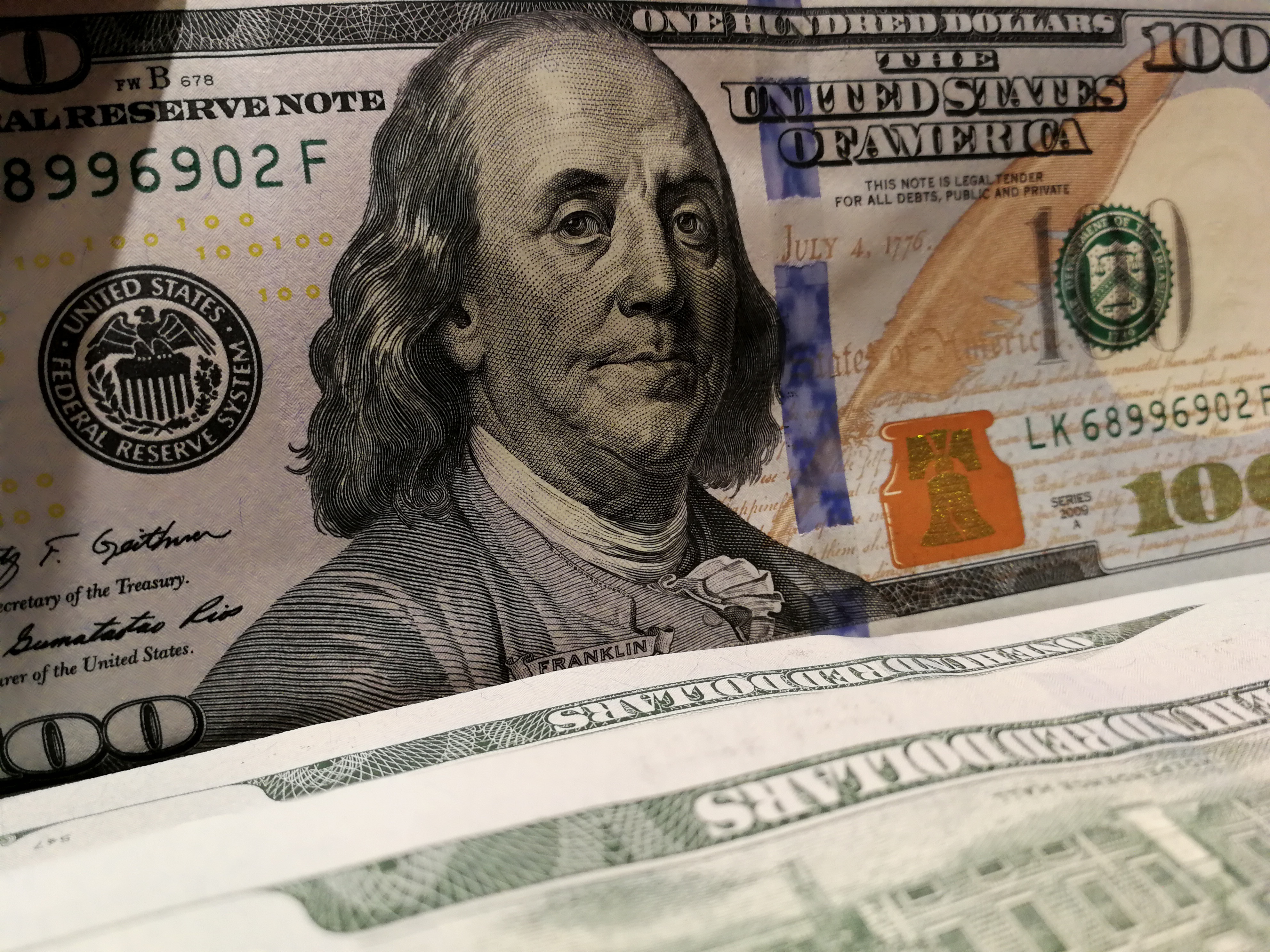
In contrast to the sharp decline in gold, the U.S. dollar has reversed last year’s prevailing depreciation trend and has resumed an appreciation trend since the beginning of this year. Moreover, unlike during the oil crises of the last century, the dollar has continued to strengthen following the latest U.S.–Iran conflict, with the U.S. Dollar Index now returning to around the 100 level. The dollar’s strong performance, as noted by ANBOUND’s founder Kung Chan, aligns with the broader trajectory of political and financial developments. Against the backdrop of the U.S. shaping a “Trump-Style Monroe Doctrine” geopolitical sphere, the dollar continues to enjoy an irreplaceable advantage due to its political and military leverage. With geopolitical risk now the primary concern in global financial markets, as seen during the Russia–Ukraine conflict in 2022, both risk assets and traditional safe-haven assets have come under simultaneous selling pressure, driving capital back into the U.S. dollar system.
However, unlike in the past, U.S. dollar-denominated assets are also declining, showing a capital flight pattern characterized by simultaneous drops in both equities and bonds. The yield on the 10-year U.S. Treasury has surged from 3.97% at the end of February to 4.39%, exceeding the level seen before the Federal Reserve’s rate cuts last year. This has eroded the safe-haven appeal of U.S. Treasuries. Some observers attribute this to the risk of stagflation stemming from a potential oil crisis. The International Monetary Fund has recently indicated that persistently rising energy prices would push up overall inflation. If oil prices increase by 10% and remain elevated through year-end, global inflation could rise by about 40 basis points, while global output may decline by 0.1% to 0.2%. Rising global inflation implies that central banks may shift toward tighter monetary policies, and the Fed is likely to slow the pace of rate cuts, keeping U.S. interest rates elevated. At the same time, high oil prices and supply constraints could weigh on global economic growth, reviving stagflationary conditions reminiscent of past oil crises. With this, asset classes including equities and bonds are coming under broad-based pressure.
The situation is not limited to the U.S. market. Indeed, global markets are showing similar patterns. As of March 23, global equity markets had collectively lost approximately USD 11.5 trillion in market value over the course of the month. According to Bloomberg aggregate indices, the total market value of global government bonds, corporate bonds, and securitized debt declined from nearly USD 77 trillion at the end of February to USD 74.4 trillion, marking a 3.1% drop within the month. In March, the global sovereign bond index fell by 3.3%, while corporate bonds declined by 3.1%. Although the contraction in the bond market has been smaller than that of equities, the relationship between stocks and bonds has broken down. Sovereign debt, including U.S. Treasuries, has failed to exhibit its usual safe-haven characteristics. Recent developments show that global markets rebounded noticeably following signals from Donald Trump regarding potential negotiations with Iran. This strong negative correlation with geopolitical risk underscores the broad and far-reaching impact such risks have on capital markets.
Market demand for safe-haven assets has now undergone a significant shift. Even as gold prices decline, capital markets, including U.S. equities and Treasuries, are also falling. While the U.S. dollar continues to strengthen, traditional safe-haven instruments such as gold, U.S. Treasuries, the Swiss franc, and the Japanese yen have all weakened in tandem. The yen, in particular, was once regarded as a key alternative safe-haven to the dollar. However, as of the March 23 close, the Nikkei index fell by 3.48%, bringing its cumulative decline since the onset of the conflict to 13%, while the TOPIX dropped 3.41%, with a cumulative loss of 12%. The yen exchange rate has also once again approached the sensitive level of JPY 160 per USD. In reality, the “oil shock” triggered by this round of U.S.–Iran tensions hit hardest those economies most dependent on Middle Eastern oil, including Japan, South Korea, and European countries. China is also among those affected, with the Shanghai and Shenzhen A-share indices experiencing sharp declines on March 23. From a geopolitical perspective, changes in exchange rates effectively reflect the degree of economic impact across countries. This suggests that amid shifting geopolitical risks, the hierarchy of safe-haven assets is being reshuffled. The U.S. dollar has supplanted gold as the primary safe haven, while other asset classes respond differently depending on the nature of the geopolitical shock. This dynamic reflects the core logic of political finance emphasized by ANBOUND’s founder Kung Chan.
It is worth noting that the decline in gold prices is not only negatively correlated with the strength of the U.S. dollar. Gold has also fallen by about 11% when priced in British pounds, around 10% in euros, and approximately 11% in Japanese yen. This suggests that while dollar appreciation is a contributing factor, it does not fully explain gold’s decline. This indicates that the situation has gone beyond the scope of a typical stagflation. From the perspective of political finance, this development is more closely tied to the sharp escalation of geopolitical risks, which has made the U.S. dollar an increasingly irreplaceable safe-haven choice. Researchers at ANBOUND have previously noted that the relationship between gold and the dollar is influenced by changes in the dollar’s credibility. However, although the long-term outlook for the dollar’s credibility may be uncertain, geopolitical risks tend to have a greater impact on other major economies, such as Europe and Japan, thereby reinforcing the dollar’s position as a relatively “safe” haven. This implies that under conditions of stagflation and heightened geopolitical risk, investors are more inclined to hold U.S. dollar cash as the most liquid and easily realizable “liquid asset”, rather than allocating capital into dollar-denominated assets.
As the U.S.–Iran conflict continues, two factors are at play. On the one hand, the U.S. holds a clear advantage in the conflict and is less directly affected by the war. On the other hand, since becoming a net oil exporter, the U.S. economy, apart from inflationary pressures, is relatively less exposed to the direct impact of an oil crisis. At present, the relative stability and security of the U.S. in both economic and geopolitical terms have made the U.S. dollar cash once again a preferred safe-haven choice. However, it is evident that the U.S. is unlikely to benefit directly from this conflict. Instead, rising inflationary pressures may further expand government debt and increase the risks associated with dollar-denominated assets. According to researchers at ANBOUND, the fluctuations in gold prices and the rising demand for U.S. dollar cash are better understood as a “safety premium” on liquidity driven by heightened geopolitical risks, rather than a genuine recovery in the dollar’s intrinsic value. Ultimately, this dynamic is determined by the dollar’s international standing and its underlying geopolitical power.
Final analysis conclusion:
As the U.S.–Iran conflict persists, international gold prices have fallen sharply, undermining the effectiveness of traditional safe-haven assets. At the same time, rising stagflationary expectations have led to a synchronized decline in both equities and bonds across global capital markets. With geopolitical risk now dominating market dynamics, the fundamental logic of political finance has reshaped the hierarchy of safe-haven assets. This has once again positioned the U.S. dollar, backed by its geopolitical strength and structural advantages, as an irreplaceable refuge.
______________
Dr. Wei Hongxu is a Senior Economist of China Macro-Economy Research Center at ANBOUND, an independent think tank.


